Heating & Air Conditioning in Kennedale, TX
Daniel's Heating & Cooling serves homes and businesses in Kennedale and nearby Texas. Whether it's a mid-summer breakdown, a strange noise at startup, or a planned system replacement, one call puts you in touch with a local HVAC technician — no forms, no middlemen.
Seasonal tune-ups
Preventive maintenance that keeps efficiency high and catches cheap fixes early.
Furnace repair
Ignition failures, flame sensors, blower motors, and no-heat emergencies on gas and electric furnaces.
Heat pump service
Install, repair, and tune-ups for air-source and cold-climate heat pumps.
Ductless mini-splits
Single and multi-zone systems for additions, garages, and rooms that never cool right.
Duct cleaning & sealing
Airflow restoration and leak sealing to fix uneven rooms and dusty air.
Thermostat installation
Smart and programmable thermostat wiring, setup, and configuration.
Heating & Cooling in Kennedale, Texas
Texas heat is a season-long endurance test — Kennedale air conditioners routinely run from March to November, and grid-stressing summer peaks make efficient, well-maintained equipment pay for itself. Sudden winter freezes have also proven that reliable heating can't be an afterthought. Local providers like Daniel's Heating & Cooling understand these conditions and service equipment accordingly.
Common HVAC Problems in Kennedale
Furnace ignition failures
A furnace that clicks but will not light may have a dirty flame sensor, faulty igniter, or gas supply issue — problems best diagnosed by a trained technician.
Uneven temperatures between floors
Multi-level homes often suffer hot upstairs rooms in summer. Duct adjustments, zoning dampers, or a ductless unit for the problem area are common solutions.
Water around the indoor unit
Pooling water typically means a clogged condensate drain line. Caught early it is a quick fix; ignored, it can damage floors, drywall, and the air handler itself.
Frozen evaporator coil
Ice on the indoor coil chokes cooling entirely. Restricted airflow or low refrigerant are the usual causes, and running the unit while frozen risks compressor damage.
Why Choose a Local Texas Company
Same-area service means faster response when the weather turns and equipment fails at the worst moment. Local companies live on reputation, and word travels fast in the community when work is done right. Understanding the regional climate means recommendations sized for real conditions, not national averages.
Seasonal Tips for Texas Homes
- Watch humidity, not just temperature: a system that cools but does not dehumidify may be oversized or low on refrigerant.
- Book pre-season AC tune-ups in early spring — waiting until the first heat wave means longer waits and higher stakes.
- Set ceiling fans to run counterclockwise in summer so you can raise the thermostat a couple of degrees without losing comfort.
- Keep the condensate drain line clear; in humid climates algae builds fast and an overflow can shut the system down mid-summer.
Frequently Asked Questions
What size HVAC system does my home need?
Sizing depends on square footage, insulation, windows, ceiling height, and local climate — not guesswork. An oversized unit short-cycles and an undersized one never keeps up, so a proper load calculation matters.
What are signs of duct problems?
Rooms that never reach temperature, whistling sounds, dusty air, and high bills all point to leaky or unbalanced ductwork. Sealing and balancing often deliver the biggest comfort improvement per dollar.
How long does an air conditioner last?
A well-maintained central air conditioner typically lasts 12–17 years. Systems that run long seasons or skip maintenance wear out sooner, while regular tune-ups and prompt repairs stretch lifespan toward the upper end.
How often should HVAC systems be serviced in Kennedale?
Most manufacturers and technicians recommend twice a year — a cooling check in spring and a heating check in fall. Given Kennedale's weather patterns, staying on that schedule protects efficiency and catches small faults before peak season.
How often should I change my air filter?
Every 1–3 months for standard filters, depending on pets, dust, and usage. A clean filter is the cheapest way to protect airflow, efficiency, and indoor air quality.
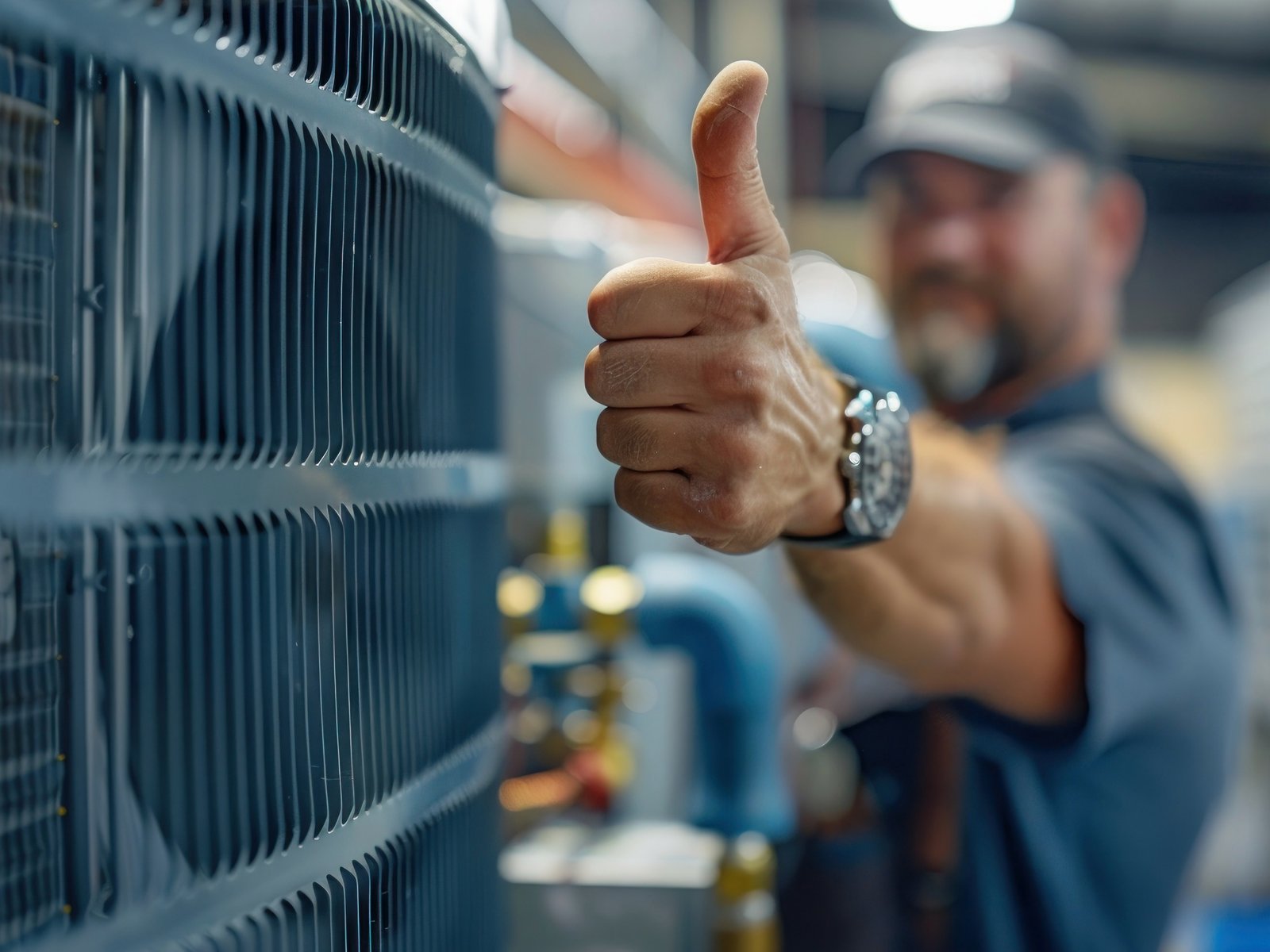
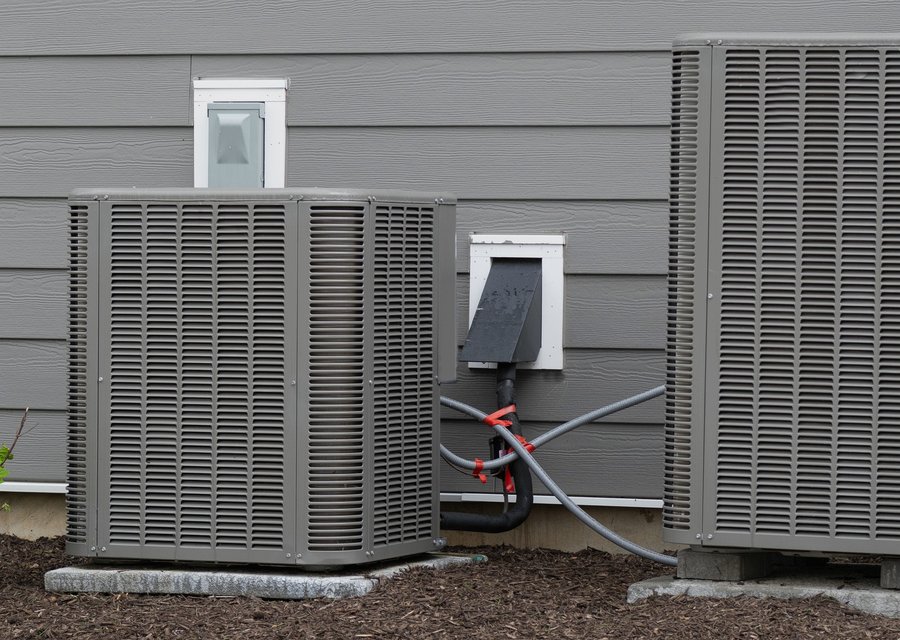
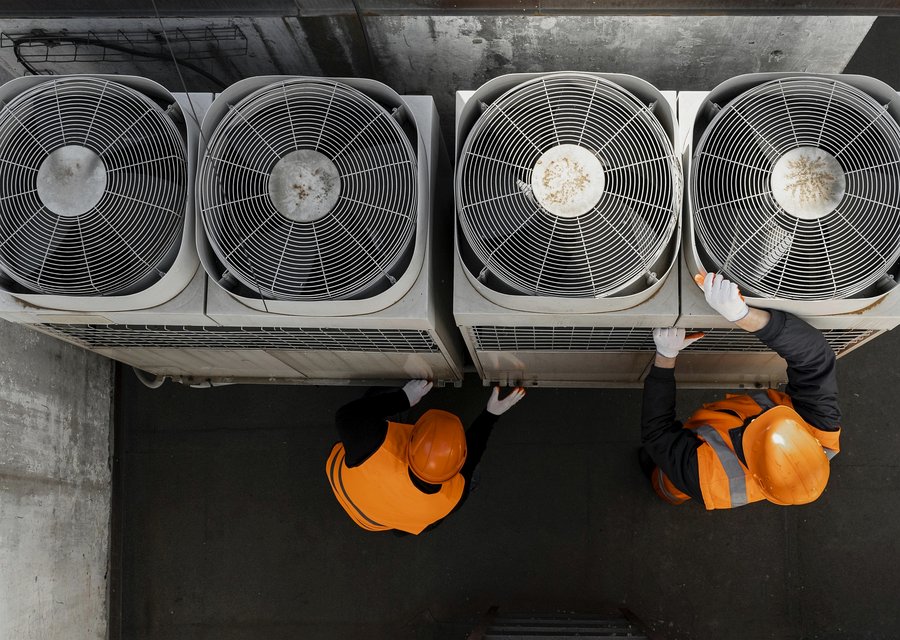
Recent Work
Other Providers in Texas
- Elm Tree Heating and Air LLC — Euless, TX
- B&B Heating and Cooling — Crowley, TX
- Controlled Air Inc — Colleyville, TX
- Countryside Heating & Air — Cleburne, TX